


Understood Care
Patient Advocacy Without the Call Center
One dedicated advocate for the bills, appeals, appointments, and paperwork. Fully virtual, serving all 66 South Dakota counties, covered by Medicare.
Or call (646) 904-4027. We confirm your coverage before your first session.
Coverage data 2024. Plan networks change - we confirm exactly what your plan covers before any work begins.
Real patients and caregivers, nationwide and in South Dakota: one dedicated advocate, reachable by phone and text. Read patient reviews
Patient advocate services
Understood Care's patient advocate services in South Dakota are delivered by one dedicated healthcare advocate who does the work with you: makes the calls, files the paperwork, and stays on the case until it is resolved. Some families call this role a care navigator, a Medicare coordinator, or a caseworker; Medicare's own name for the covered benefit is Principal Illness Navigation. Whatever you call it, it is fully virtual and covered by Medicare for most members.
Line-by-line review of hospital and doctor bills, duplicate charges, balance-billing questions, and payment-plan negotiation.
Bill assistanceWhen Medicare or your plan says no: the appeal letter, the deadlines, the medical-necessity evidence, and the follow-up calls.
How appeals workGetting seen sooner, keeping specialists and primary care on the same page, and lining up a second opinion when it matters.
Appointment helpFormulary exceptions, Extra Help screening, manufacturer programs, and pharmacy switches that lower what you pay at the counter.
Lower medication costsMedicare Savings Programs, Extra Help, SNAP, utility and rent assistance: finding what you qualify for in South Dakota and filing the paperwork.
Application helpDischarge planning, home health and equipment orders, caregiver support, and one person who keeps every provider informed.
Care coordination Amanda Ledwich Care Advocate
Amanda works one-to-one with Medicare members on bills, denials, appointments, and benefits, and stays on the case until it is resolved.
 Kimberly Smith Care Advocate
One dedicated advocate with a direct phone and text line: Kimberly makes the calls and handles the paperwork so you do not have to.
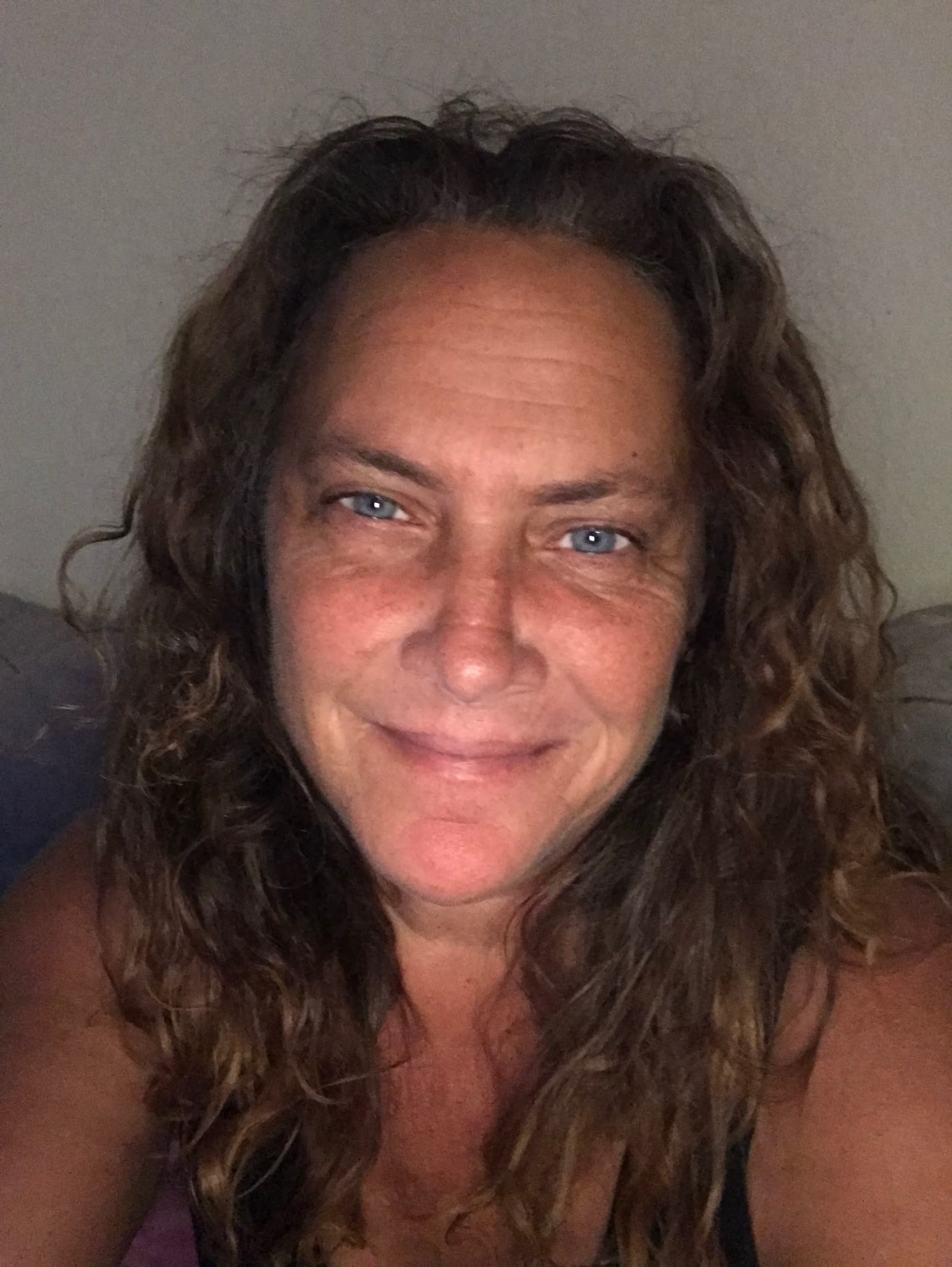 Cheryl Strickland Care Advocate
Cheryl helps patients and caregivers untangle Medicare, from a denied claim to a benefit nobody mentioned, with a check-in every week while a case is open.
The Mount Rushmore State's population centers, 49 cities and towns from Sioux Falls, Rapid City, Aberdeen, and Brookings to Watertown, Mitchell, Yankton, Huron, Pierre, and Spearfish, with regional trade centers and county seats from Sisseton and Mobridge to Winner, Hot Springs, and Lemmon, plus the Rosebud and Pine Ridge communities, across 39 of South Dakota's 66 counties, and served virtually by the same advocates. Farms, ranches, reservation communities, and towns without a page of their own are served the same way through this page. Prefer the raw data? See South Dakota Medicare by the numbers.
Sioux Falls · Brandon · Harrisburg · Tea · Dell Rapids · Canton
Yankton · Vermillion · North Sioux City · Dakota Dunes · Elk Point · Beresford · Springfield
Watertown · Milbank · Sisseton · Webster · Clear Lake
Pierre · Fort Pierre · Chamberlain · Mobridge · Eagle Butte · Lemmon
Rapid City · Box Elder · Rapid Valley · Sturgis · Spearfish · Belle Fourche · Deadwood · Hot Springs · Custer
Winner · Gregory · Rosebud · Pine Ridge
Since January 2024, Medicare covers professional healthcare navigation (Principal Illness Navigation and Community Health Integration). Part B pays about 80%; a Medigap plan typically covers the rest.
About 37.4% of South Dakota's Medicare beneficiaries in 2025 are enrolled in a Medicare Advantage plan rather than Original Medicare, so most people on Medicare in South Dakota are on Original Medicare. Acceptance varies plan by plan. Tell us which plan you have and we confirm what it covers before any work begins and tell you exactly what, if anything, you will owe.
That is a normal place to start. Read your red-white-and-blue card to us over the phone and we will explain your coverage in plain English, whether or not you sign up.
Medicare is federal, but the rules and assistance programs around it change at the state line. These four are specific to South Dakota, and your advocate works with them every week.
South Dakota has no Medigap birthday or anniversary rule, so there is no yearly window to switch plans without health questions; outside your open enrollment and the federal guaranteed issue rights, insurers can medically underwrite a switch. What South Dakota does have is a protection many states lack: if you qualify for Medicare because of a disability, you get the same six-month Medigap open enrollment as someone turning 65. Apply within six months of enrolling in Part B and an insurer must sell you any Medicare supplement policy it offers, at a premium no higher than its rate for a 75-year-old. At 65 you get the federal open enrollment again. Medigap in South Dakota is regulated by the South Dakota Division of Insurance, part of the Department of Labor and Regulation, at 605-773-3563.
Free Medicare counseling in South Dakota comes from SHIINE (Senior Health Information and Insurance Education), a program of the Department of Human Services' Division of Long Term Services and Supports with trained volunteers around the state, at 1-888-854-5321. Great for one-off enrollment questions and Medicare Savings Program applications; we point our own members there during Open Enrollment. The same division is South Dakota's State Unit on Aging, and its front door is Dakota at Home, the state's aging and disability resource center, at 1-833-663-9673, for in-home help, meals, caregiver support, and Structured Family Caregiving. That line also reaches the Long-Term Care Ombudsman Program, which advocates for residents of nursing homes and assisted living. The national Eldercare Locator is at 1-800-677-1116.
South Dakota's Medicare Savings Programs are run by the Department of Social Services. In 2026, a person with monthly income under $1,816, or a couple under $2,455 (limits that include a $20 income disregard), may qualify, with savings up to the federal resource limit ($9,950 for one person or $14,910 for a couple); your home, one car, and burial plots do not count. The lowest-income tier, QMB, pays the Part A and Part B premiums plus Medicare deductibles and coinsurance, and providers are barred by law from billing QMB members for Medicare cost-sharing; the higher tiers, SLMB and QI, pay the Part B premium. Qualifying also brings Part D Extra Help with drug costs. Apply at a local DSS office, online through the DSS benefits portal, or by calling 1-877-999-5612. South Dakota has no state pharmaceutical assistance program, so federal Extra Help carries the drug-cost load here. Screening for every one of these programs is what an advocate does first.
South Dakota expanded Medicaid in July 2023, covering adults 19 to 64 with income up to 138% of the federal poverty level. For in-home care, the HOPE Waiver (Home and Community-Based Options and Person-Centered Excellence) serves people 65 and older, or 18 and older with a qualifying disability, who need a nursing home level of care, with income up to $2,982 a month in 2026 and countable resources up to $2,000 for one person. Its Structured Family Caregiving service, offered since 2019, pays a stipend, with coaching, to a principal caregiver who lives with the participant. For people who do not qualify for Medicaid, the Division of Long Term Services and Supports runs state in-home services, from homemaker help and personal care to respite, meals, and emergency response systems, for people 60 and older, or 18 and older with a disability, who cannot get the same service through another program; the care plan sets any copay. South Dakota has no PACE program. Start with Dakota at Home at 1-833-663-9673. For dual-eligible families we handle the Medicare side while you run the caregiving.
Go deeper
The full South Dakota Medicare guideThe full guide to the South Dakota rules and programs your advocate works with.
You are matched with one dedicated advocate and get their direct phone, email, and text. No call queue, no starting over. Even months after your case wraps up, the same person picks up.
Behind your advocate, AI tools surface the South Dakota programs and benefits you actually qualify for, from federal Extra Help with drug costs to the Medicare Savings Programs and Medicaid home care, so answers come faster. A human stays in the loop on every case.
While your case is active you hear from your advocate every 7 days. After it is resolved, they still check in every month. You are never left wondering what is happening.

Patient friendly guide to first line neuropathy treatments, from medicines to non drug options, with tips to choose safely and next steps if pain does not improve.
Read more
Find out if your child qualifies for Summer EBT, also called SUN Bucks. Learn who is eligible, income limits, state participation, and how to apply.
Read more
If your SNAP benefits are cut, denied, or your case was closed, learn how to read your notice, request a fair hearing to appeal, and reapply - plus the deadlines that protect your benefits.
Read moreThe same Medicare-covered service, with each state's own programs and rules explained.
More than 200,000 South Dakota residents are on Medicare, and the
system is not getting simpler.
Wherever you live in South Dakota, your advocate is a phone call away, and the
first conversation costs nothing.


Yes. Since January 2024, Medicare pays for professional healthcare navigation through Principal Illness Navigation and Community Health Integration services. Medicare Part B covers about 80% of the cost, and a supplemental (Medigap) plan typically covers the rest. We check your coverage and tell you exactly what, if anything, you will owe before your first session.
Yes, all 66 counties, from Minnehaha County and Sioux Falls in the southeast to Pennington County and Rapid City in the Black Hills, Brown County and Aberdeen in the northeast, Hughes County and Pierre on the Missouri River, and the Rosebud and Pine Ridge reservations in the south. The service is fully virtual, delivered by phone, video, and secure messaging, so it works the same in Sioux Falls, Watertown, and Mitchell as it does on a farm outside Lemmon or Winner. In a state where the nearest specialist can be hours away, an advocate you can reach without the drive is often the practical option, not the fallback.
Advocates work virtually and are matched to you, not to a zip code. What matters is that your advocate is the same person every time (One Advocate, For Life), knows South Dakota's rules like free SHIINE counseling, the state's under-65 Medigap open enrollment, the Medicare Savings Programs, and Medicaid home care through the HOPE Waiver, and gives you their direct phone, email, and text, so you never start over with a stranger in a call queue.
No. South Dakota has no birthday or anniversary rule, so there is no yearly window to switch Medigap plans without health questions. Outside your Medigap open enrollment and the federal guaranteed issue rights (for example, when a Medicare Advantage plan leaves your area or you lose employer coverage), insurers can use medical underwriting when you apply to switch. That makes the six months after you enroll in Part B the window that counts most. Questions and complaints go to the South Dakota Division of Insurance at 605-773-3563.
Yes, if you apply in time. South Dakota's Medicare supplement rules give people who qualify for Medicare because of a disability the same open enrollment as people turning 65: apply within six months of enrolling in Part B, and an insurer must sell you any Medicare supplement policy it offers. Insurers may rate people under 65 separately, but the premium cannot be higher than that insurer's rate for a 75-year-old. Miss the six-month window and a policy can be medically underwritten; at 65 you get the federal Medigap open enrollment again. A free SHIINE counselor at 1-888-854-5321 can walk you through the options.
Yes, and South Dakota's programs are specific. For in-home care through Medicaid, the main path for older adults is the HOPE Waiver (Home and Community-Based Options and Person-Centered Excellence), for people 65 and older, or 18 and older with a qualifying disability, who need a nursing home level of care, with income up to $2,982 a month in 2026 and countable resources up to $2,000. Its Structured Family Caregiving service pays a stipend, with coaching, to a principal caregiver who lives with the participant. For people who do not qualify for Medicaid, the Department of Human Services' Division of Long Term Services and Supports offers state in-home services such as homemaker help, personal care, respite, and meals to people 60 and older, or 18 and older with a disability, who cannot get the same service through another program; a copay may apply. South Dakota has no PACE program. To start, call Dakota at Home at 1-833-663-9673. Our advocacy is billed through Medicare, so we focus on the Medicare side: bills, appeals, appointments, coverage questions. For dual-eligible families that split works well: you manage the caregiving, and your parent's advocate handles the Medicare paperwork.
SHIINE (Senior Health Information and Insurance Education), at 1-888-854-5321, offers free Medicare counseling from trained volunteers around the state, and it is excellent for one-off questions like comparing Part D or Medigap plans during Open Enrollment or filling out a Medicare Savings Program application. Understood Care is different: a dedicated advocate who does the work itself, makes the calls, files the appeals, untangles the bills, and stays with you month after month, covered by Medicare. The two are complementary, and we often point our own members to SHIINE counselors for enrollment-season plan comparisons.
In South Dakota we are in-network for Original Medicare (traditional fee-for-service Medicare). Together that covers roughly 64% of South Dakota's Medicare beneficiaries. Market-share data: 2024. Plan networks change, so we confirm exactly what your plan covers before any work begins.
Program facts on this page were last verified on 2026-10-28 against: South Dakota Department of Human Services — Understand My Medicare (SHIINE, Senior Health Information and Insurance Education), South Dakota Department of Social Services — Medicare Savings Program brochure, May 2026 (2026 income limits; SHIINE 1-888-854-5321; DSS 1-877-999-5612), South Dakota Department of Social Services — medical programs (Medicare Savings Program resource limits; HOPE Waiver income and resource limits), South Dakota Department of Social Services — contact and local offices, South Dakota Department of Human Services — Division of Long Term Services and Supports (State Unit on Aging; Dakota at Home, 1-833-663-9673), Dakota at Home — South Dakota's aging and disability resource center, South Dakota Long-Term Care Ombudsman Program (DHS), South Dakota Department of Labor and Regulation — Division of Insurance (605-773-3563), ARSD 20:06:13:84 — Medicare supplement open enrollment regardless of age (disability rate capped at the age-75 rate), NAIC — state Medigap birthday rule and under-65 chart (South Dakota: no birthday rule), Medicare.gov — Medicare Savings Programs, CMS — State Pharmaceutical Assistance Programs list (South Dakota not listed), South Dakota Department of Social Services — Medicaid expansion (effective July 1, 2023), KFF — status of state Medicaid expansion decisions, ARSD 67:44:03 — HOPE Waiver services, including Structured Family Caregiving, Careforth — South Dakota Structured Family Caregiving (HOPE Waiver, since April 2019), ARSD 67:40:19 — LTSS in-home services eligibility and covered services, National PACE Association — find a PACE program (none in South Dakota), US Census Bureau — Gazetteer files (66 South Dakota counties), and CMS (2024 Physician Fee Schedule: navigation services). Beneficiary counts come from the CMS Medicare Monthly Enrollment file (2025). Understood Care is an independent private advocacy service and is not affiliated with any government agency, the South Dakota Division of Insurance, the South Dakota Department of Human Services, the South Dakota Department of Social Services, SHIINE, Dakota at Home, or South Dakota Medicaid.